When an air conditioner starts acting up in Needham, it usually does not do it politely. It might kick on for a few seconds, then die. It might blow warm air even though the thermostat says it is calling for cooling. Or it might run, but the compressor sounds strained, like it is pushing through sand.
In many homes, the culprit is not the thermostat, and it is rarely “just low refrigerant.” A large share of no-cool and short-cycling problems come back to the electrical side of the system, especially faulty capacitors, wiring issues, and components that fail under heat and load. If you have been burned by a guess-and-check repair approach, you already know how frustrating that gets.
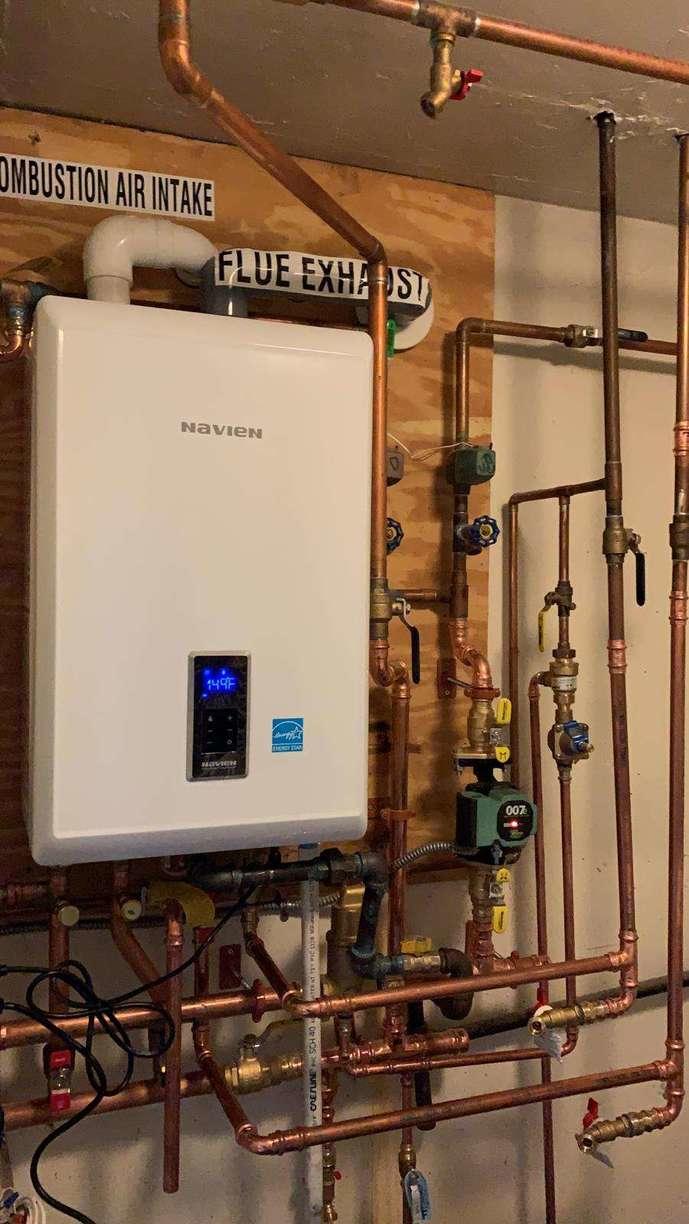
This is where a real HVAC diagnosis matters. In Needham, you want an HVAC contractor in Needham MA who understands how air conditioning systems actually start, how capacitors influence that starting torque, and how to tell the difference between a component failure and an underlying electrical problem.
Below is what I look for in the field when I suspect capacitor failure or electrical trouble, why these issues happen, and how to avoid paying twice for the same problem.
Why capacitors cause so many “mysterious” AC failures
If your air conditioner is a car engine, the capacitor is part of the starting system and the supporting cast that helps the motor do its job. Many older style and some current systems use capacitors to provide the electrical “push” a motor needs to start and run efficiently. When a capacitor weakens, it often does not fail instantly. Instead, it can act like it is almost working.
That “almost” is what creates the confusing symptoms homeowners report:
- The unit hums but does not start. The fan runs, but the compressor stays off. The AC cycles rapidly, then trips protection. The unit starts only when you reset power, or after it cools down for a while.
Capacitors can fail due to age, heat exposure, vibration, and voltage stress. Even if the system is well maintained, capacitors are consumable components. In New England summers, they spend months absorbing heat load and operating at high demand. That is hard on electronics.
I have seen capacitors fail after a stretch of hot weather, then the homeowner thinks the system is “fine until it isn’t.” The timeline matters because it often points to a load-related electrical weakness, not a problem that showed up in a cold month. A strong diagnosis connects symptoms to the likely electrical function of each part.
The most common capacitor-related symptoms, and what they usually mean
Your goal is to narrow the fault without damaging anything or wasting time. Capacitors show up in the behavior patterns of the system. While every unit design differs, the following scenarios are common enough that they should sound familiar.
When an outdoor unit hums but will not start, I usually look at the start circuit and the parts that energize the compressor start sequence. A failing start capacitor can leave the compressor without the torque it needs. The compressor tries, but it stalls and the protective devices may kick in.
If the indoor blower runs but the outdoor compressor will not, the thermostat and indoor fan call might be working correctly, but the outdoor side may be blocked by a capacitor issue, a contactor problem, or a wiring/control interruption. This is also where you can get more info misled if someone simply “resets” the system and moves on. A true fix addresses the electrical root cause.
If the unit starts, then shuts down after a short time, the system may be tripping a protection mechanism because the compressor is not operating at the right electrical conditions. A weak run capacitor can increase current draw and heat within the motor circuit. Protection trips can happen more quickly under load when the system has to work harder.
And if the unit works later in the day, after the temperature drops, that can be a clue. Heat stresses capacitors and connections, and electrical failures sometimes worsen as the system warms up. You can end up with a problem that looks intermittent, but it is really pattern-based.
Electrical issues are more than “wires look okay”
One of the most common misconceptions I hear is that if a breaker trips or the unit still has power, the electrical side must be fine. In reality, AC troubleshooting is about more than whether the system has electricity. It is about whether the right voltage and current reach the right components in the right sequence.
Electrical issues show up in a few places:
Contactors and relays can pit over time or fail to pull in consistently. Loose or corroded connections can create resistance, which turns electricity into heat right where you do not want it. A control board may be sending signals, but a failing component upstream may still block the compressor start. Wiring damage can be subtle, especially when insulation cracks from vibration and weather exposure.
Even when capacitors are involved, I take a careful approach. A technician who simply swaps a capacitor without checking the surrounding electrical circuit may “fix” the immediate symptom while missing the reason the capacitor failed in the first place. If the system has an underlying contactor or connection problem, the replacement capacitor may fail early. That is one of the ways homeowners end up paying for repeat service.
What an actual diagnosis looks like on a hot day
When you call for AC repair in Needham MA, the best outcomes come from diagnosis that respects how systems behave under operating conditions. A professional approach usually includes more than reading symptoms and guessing a part.
A typical diagnostic flow (without getting overly technical) often involves verifying:
Whether the thermostat call for cooling is consistent and correctly wired to the equipment. Whether power reaches the outdoor unit properly and at the expected levels under load. Whether the capacitor values are within proper tolerance and whether they are functioning as intended. Whether contactors, relays, and protective devices indicate an electrical abnormality. Whether there is evidence of heat damage at connections, which can hint at resistance problems.Sometimes you get lucky and the failed capacitor is obvious because the unit will not complete the start sequence. Other times the capacitor measures poorly but the wiring harness and connections are also suspect. In those cases, I treat it as an electrical system issue, not only a single-part replacement.
Safety and the parts you should not “DIY test”
Capacitors are one of those components homeowners are tempted to open up and “see what happens.” I understand the urge, especially when the problem feels simple. But AC capacitors can store electrical energy even after power is shut off. Trying to test without proper procedures can be dangerous.
Beyond safety, DIY troubleshooting can also complicate future repairs. If wires are disturbed or control components are knocked out of alignment, you end up with a different fault than the one you started with. Then the next repair call has to untangle the mess.
This is why I recommend letting a qualified HVAC contractor handle electrical diagnosis and capacitor replacement. If you are evaluating providers, ask how they diagnose versus how they replace. A good technician does not just guess the most common part, they confirm the cause.
How HVAC maintenance helps prevent capacitor and electrical failures
Capacitors and electrical components fail from a mix of age, heat, and stress. You cannot “tune” a capacitor back into good health. But you can reduce the stress that shortens its life and you can catch warning signs early.
AC maintenance in Needham MA matters because airflow and system conditions influence operating load. When airflow is weak due to clogged filters or dirty coils, the compressor works harder against higher head pressure. Higher workload means more electrical and thermal stress. That can push marginal electrical components over the edge sooner than they would otherwise.
Maintenance also includes checking the basics that many people overlook: making sure panels are secured, ensuring drain lines are clear, and looking for visible signs of overheating or corrosion at electrical connections. Those visual checks often reveal problems that an owner cannot see from inside the house.
Even if your main concern is capacitor failure, maintenance reduces the odds of getting stranded again. Think of it as preventing the conditions that make a bad situation worse.
The cost of guessing: why electrical “hot fixes” are expensive
It is easy to see why homeowners want fast, low-cost fixes. When the AC is down, every hour feels like a penalty. But the “replace one part and hope” approach can turn into a cycle.
Here is what I commonly see in real life:
A capacitor is replaced because the unit hums. It starts again, so everyone celebrates. Then a few weeks later, it fails again. The replacement part should not be failing that quickly if the underlying cause was handled. When the original root cause was an electrical connection issue or contactor wear, the new capacitor can be forced to compensate for an unhealthy circuit.
Another scenario is misdiagnosing a control issue as a capacitor issue. The system might short cycle due to a control board or sensor behavior, but if the capacitor is swapped first, the real cause can remain. The result is repeated service and continued frustration.

The best repair path is the one that fixes both the symptom and the contributing conditions. If you want the job done once, you want an approach that treats electrical work as a system, not a single swap.
When you should call for AC repair in Needham MA right away
Most AC issues can become urgent when they affect the ability to cool the home or when repeated attempts increase risk of additional damage. If you notice any of these behaviors, it is worth calling sooner rather than later:
The unit is tripping breakers or shutting down call now repeatedly. Short cycling can increase stress on compressor and electrical components. A system that “tries” and fails is often a system that needs intervention, not patience.
The compressor is making a hard start or unusual noise. Electrical faults can escalate when the compressor cannot start properly, and noise is often tied to abnormal electrical conditions.
You smell burning or see discoloration at the outdoor unit. That is not a normal “it just needs a tune-up” problem. Call for service promptly.
The indoor air is warm and the outdoor unit is not running when it should. If the thermostat is calling and you are getting no meaningful compressor operation, electrical diagnosis is usually the next step.
What to ask an HVAC contractor before work starts
A good conversation can save you time and help you choose the right contractor. You do not need to be an electrician to ask smart questions. You only need to know what kind of answers you want.
Here are five questions that help separate a careful diagnostic approach from a guess-based one:
- “What symptoms are you seeing, and how do they point to the start or run capacitor versus something else?” “Will you check the contactor, wiring connections, and protective devices, not just swap the capacitor?” “Do you test the electrical circuit under conditions, or only measure parts on the bench?” “If you replace a capacitor, what could cause it to fail early, and how will you prevent that?” “How do you document the diagnosis so I know what was wrong and why the repair fixes it?”
If the answers are specific, grounded in what they observed, and not just a general promise, you are in the right direction.
Why local experience in Needham matters for HVAC repair
Air conditioning systems do not fail in a vacuum. They fail in real homes with real wiring setups, real outdoor exposure, and real operating habits. Needham homes often face the kind of summer stretch where units run hard for weeks. That sustained load brings out electrical weaknesses that might stay hidden in milder weather.
A contractor who regularly services Needham knows what patterns show up. They also know the common “it seems random” failures that actually follow a logic tied to temperature, moisture, and electrical stress. That local pattern recognition is valuable because it speeds up diagnosis and reduces unnecessary part swapping.
Green Energy AC Heating & Plumbing Repair is the kind of service name homeowners look for when they want a team that focuses on getting to the real issue, especially when electrical components like capacitors and control elements are involved.
AC installation and electrical readiness, even if your current problem is a repair
If your AC is near the end of its life, repairs sometimes overlap with a bigger question: should you keep fixing or consider replacement? That decision depends on the system’s overall condition, age, and how often it needs intervention.
Electrical health is also relevant for AC installation in Needham. A properly installed system is matched to the home’s requirements, including electrical capacity and safe component installation. When new equipment is installed, the contractor should verify correct wiring, secure connections, and appropriate control setup. A sloppy electrical installation can create the exact kinds of symptoms you are trying to solve now, just on a different timeline.
Even if you are set on repair, it is still worth asking how the electrical issues they find relate to the system’s long-term reliability. If the outdoor unit has repeated connection problems, you may find yourself returning for service even after capacitor replacement.
Practical examples from the field
Let me share two scenarios that play out often.
The first is the “fan starts, compressor does not” situation. Homeowner reports the indoor blower turns on, but the outdoor unit does not properly engage the compressor. When the tech tests the start sequence, the outdoor contactor and capacitor arrangement indicates the compressor is not getting the right starting conditions. Replacing the faulty capacitor restores the start behavior. However, a careful technician also checks for heat stress on the surrounding connections because if a connection has high resistance, the capacitor will keep getting forced.
The second scenario is the “works for a day, then trips” problem. The unit runs for part of the day, then shuts down. The homeowner resets the breaker. It runs again briefly, then trips again. That pattern points to electrical protective behavior under load. A diagnostic approach checks not only the capacitor values but also whether the contactor pull-in and the control circuit remain stable when current demand increases. The fix is more complete because it resolves the cause rather than just restoring operation temporarily.
These examples highlight the same theme: electrical issues rarely respect shortcuts.
The bottom line: don’t ignore capacitor and electrical symptoms
If you suspect the system is failing to start correctly, short cycling, or showing signs of electrical stress, it is usually smarter to treat the problem as an electrical and capacitor issue, at least until proven otherwise. A capacitor can be the immediate offender, but electrical problems often travel as a cluster, with connections, contactors, and control components contributing to the final failure.
In Needham, you get the best results when you choose HVAC repair in Needham MA that emphasizes diagnosis, safe electrical handling, and repair decisions based on what the system is actually doing. If you need a dependable HVAC contractor in Needham MA, or you are looking for a team that handles everything from AC repair to AC maintenance with a real-world mindset, reach out to Green Energy AC Heating & Plumbing Repair.
When the next heat wave hits, you should not be wondering whether your AC will hum, click, or freeze up. You want it to start the right way, run steadily, and keep your home comfortable without constant resets and repeat service calls.
Green Energy AC Heating & Plumbing Repair
10 Oak St Unit 5, Needham, MA 02492
+1 (781) 819-3012
[email protected]
Website: https://greenenergymech.com